


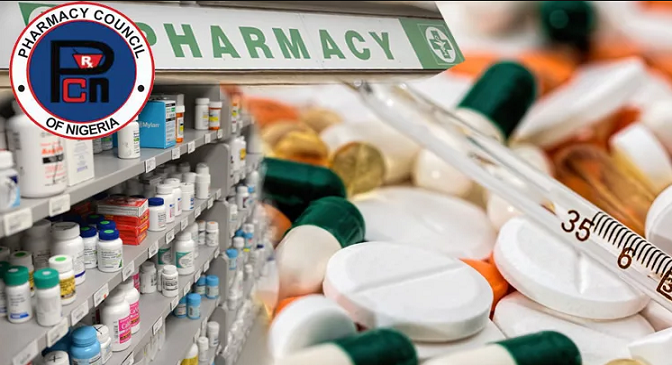
*Pharmacists warn Nigerian consumers against patronising street medicine vendors, emphasising that the problem poses serious risks to public health, including treatment failure, toxic reactions, and potential damage to vital organs, such as the liver and kidneys, and ultimately, cause collapse of the health sector
Gbenga Kayode | ConsumerConnect
Against the backdrop of the increasing menace and attendant threats fake and counterfeit medicines pose to Nigerians’ health, the pharmacists have warned consumers against patronising street medicine vendors in the West African country.
The pharmacists who recently spoke on the prevalence of counterfeit and substandard medicines in Nigeria, emphasised that the problem poses serious risks to public health.
The health experts said those included treatment failure, toxic reactions, and potential damage to consumers’ vital organs, such as the liver and kidneys.
Measures to curb counterfeit medicines, related products
In minimising the menace of fake and counterfeit medicines, the pharmacists urged stricter monitoring of medicines imported into the country, improved regulation of drug manufacturing and distribution, and greater public awareness of the dangers associated with purchasing medicines from unauthorised sources.
Speaking on the development Pharm. Franklin Uzoezie told Vanguard: “Fake drugs, also known as counterfeit medicines, are products that do not meet the required standards, or do not contain what they claim to contain.
“This could involve the active ingredient, the strength or dosage, or even the packaging.”
Pharm. Uzoezie stated: “In some cases, a medicine may claim to contain a particular drug but contain none of it.
“In other instances, it may contain the drug but not in the correct quantity or strength.
“All these are examples of counterfeit or substandard medicines.”
He also noted: “The increasing circulation of fake and substandard medicines in Nigeria has become a major public health concern
“The truth is that even healthcare professionals may find it difficult to distinguish between fake and genuine medicines just by looking at them.”
Uzoezie further said: “Their appearance, packaging and other features may be almost identical.
“In some cases, counterfeit products may even look better than the original medicines.”
The expert explained: “Simply examining a medicine with the naked eye may not be enough to determine whether it is genuine or counterfeit. “Appropriate laboratory analysis may be required to establish its composition and quality.”
According to him, when a medicine is counterfeit or substandard, it may contain the wrong ingredients, an incorrect quantity of the active ingredient, or potentially harmful substances.
“This can make the product ineffective or toxic to the body.
“The most important precaution is to know where you obtain your medicines.
“We often advise patients and members of the public not to buy medicines from just any place where they are being sold,” stated he.
Pharm. Uzoezie, therefore, urged Nigerians to purchase their medicines from licensed pharmacies, and other legally authorised medicine outlets.
He advised that as patients and members of the public, “we should not choose where to buy medicines solely because a seller offers a lower price or is conveniently located.”
He stated: “We must prioritise the safety, quality and authenticity of the medicines we use.
“Purchasing medicines from approved sources, strengthening regulatory oversight and improving public awareness would help reduce the risk of exposure to counterfeit and substandard products.”
Likewise, Pharm. Yetunde Akinola, consultant pharmacist and pharmaceutical care specialist reportedly said “the increasing circulation of fake and counterfeit medicines in Nigeria exposes serious weaknesses in the pharmaceutical supply chain and presents a grave danger to the health and safety of citizens.”
Pharm. Akinola explained: “A counterfeit medicine is one that is deliberately and fraudulently misrepresented in terms of its identity, composition or source.
“Such products may contain incorrect ingredients, inadequate quantities of active pharmaceutical substances, no active ingredients at all or potentially harmful contaminants.”
She also stated: “There are also substandard medicines, which are authorised products that fail to meet the required quality standards.
“The danger is that many of these products are packaged to look exactly like genuine medicines, making it difficult for unsuspecting members of the public to distinguish between them.”
Akinola further said: “Some counterfeit products even carry fake registration numbers and manufacturers’ details to deceive consumers.
“One of the major factors encouraging the circulation of fake medicines is the patronage of unlicensed drug outlets, roadside vendors and unauthorised online medicine sellers.”
She equally warned consumers: “The desire to purchase drugs at cheaper prices also makes some Nigerians vulnerable to these fraudulent products.
“I would strongly advise members of the public to purchase medicines only from registered pharmacies and authorised medicine outlets.”
The health expert noted: “They should check product labels, expiry dates, batch numbers, packaging integrity and NAFDAC registration details.
“However, it is important to understand that these details can also be falsified, so checking them alone does not guarantee authenticity.”
She noted: “Pharmacists have a critical responsibility to ensure that medicines are sourced from legitimate and traceable distributors. “They must maintain proper procurement records, observe professional standards and report suspicious products to the appropriate regulatory authorities.
‘Fight against counterfeit medicines a collective responsibility’
As part of further measures to minimise the preponderance of fake and counterfeit medicines in the country, Pharm. Akinola said: “NAFDAC must strengthen its monitoring and enforcement mechanisms, particularly at ports of entry, distribution centres, open drug markets and other points where counterfeit medicines may enter the supply chain.
“There should also be stronger collaboration between regulatory agencies, pharmaceutical manufacturers, pharmacists and law enforcement organisations.”
She averred: “Beyond enforcement, there is a need for sustained public education.
“Nigerians must stop treating medicines as ordinary commodities that can be purchased from anywhere simply because they are cheaper or readily available.”
Akinola further explained: “The quality and authenticity of a medicine can determine whether a patient recovers, suffers further complications or loses their life.
“Ultimately, the fight against counterfeit medicines requires collective responsibility.”
She said: “Government, regulators, healthcare professionals, medicine manufacturers and consumers must work together to ensure that only safe, effective and quality-assured medicines reach the Nigerian public.”
Adulterated drugs can cause collapse of health sector, says Pharm. Ademola
In his remarks on the state of affairs in Nigeria’s pharmaceutical industry, Pharm. Adewuyi Ademola expressed worry that adulterated drugs could cause the collapse of the health sector.
Ademola reportedly argued: “The end of every sickness is the drug prescribed by doctors when the right diagnosis is made.
“So, if the drugs are adulterated, the whole health sector will fail because drugs seem to be the last bus stop for everything.”
The health expert stated: “It is very important to ensure that we curb fake drugs from entering our country.
“Generally, once there are no right drugs for patients to take, the whole health sector will collapse.”
Pharm. Ademola also submitted: “Fake drugs means that the patients will not be getting well or getting what they are supposed to get.
“This can put a lot of pressure on the health sector, which will eventually increase the cost of providing healthcare to residents of the country.”
Pingback:CBN warns Access Bank, GTBank, UBA Plc, Zenith, others of sanctions as payment data localisation deadline approaches - Consumer Experience Is A Top Priority