


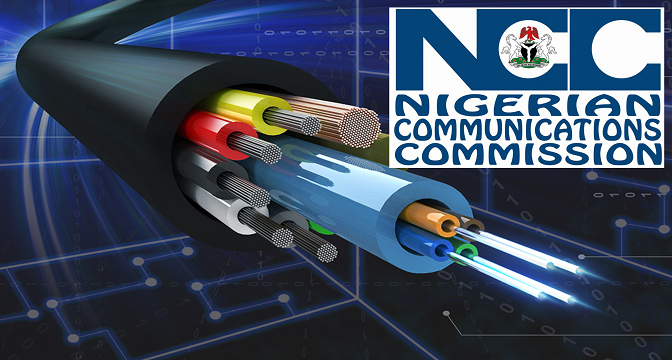
*The Nigerian Communications Commission cautions that persistent damage to fibre-optic infrastructure could undermine the gains recorded as the Mobile Network Operators hit new peaks with the deployment of 8,526 additional coverage and capacity sites across the country’s telecoms space
Gbenga Kayode | ConsumerConnect
As the country’s telecoms network expansion reportedly hits 70 percent mark, the Nigerian Communications Commission (NCC) again, has advised that persistent damage to fibre-optic infrastructure could undermine the gains recorded thus far.
ConsumerConnect reports the NCC disclosed that fibre cuts actually contributed to a sharp increase in network disruptions documented June 2026.
JAMB announces revised 2027 UTME schedule over safety, logistical concerns
The NCC specifically, cautioned against further destruction cum theft of fibre-optic assets, which the Nigerian Government has already classified as the Critical National Information Infrastructure (CNII) in the economy.
It is recalled the telecoms sector regulatory Commission, in August this year, revealed that the all-important industry recorded over 5,000 fibre-cut incidents in the first six months of this year across Nigeria.
The NCC also reported that road construction, excavation, and other civil works were identified as major causes of the network disruptions in the entire digital ecosystem.
MNOs boost network expansion with deployment of 8,526 additional sites
The industry regulator has affirmed that Nigeria’s telecommunications sector has recorded significant progress in network expansion, with operators deploying 8,526 of the planned 12,179 additional coverage and capacity sites committed nationwide.
The NCC disclosed this development after its 110th Board meeting held September 9, 2026.
The Commission’s Board of Commissioners, at the meeting, reviewed developments in the telecoms industry, including network resilience, service reliability and infrastructure protection.
The telecoms regulator also said the 8,526 sites represented approximately 70 percent of the operators’ total commitments to network expansion for enhanced, sustainable connectivity.
This new peak in the deployment of critical telecoms assets is regarded as a substantial increase from about 5,000 sites reported at its previous Board meeting.
The Commission said the latest figure meant that Mobile Network Operators (MNOs) had deployed about 3,500 supplementary sites since the previous assessment.
This development indicates an accelerated rollout of infrastructure, aimed at expanding coverage, increasing network capacity and improving subscribers’ quality of experience.
A word of caution for industry stakeholders
Despite the substantial progress recorded in the network expansion drive thus far, the NCC, however, said the continued destruction of fibre infrastructure remains a major threat to service reliability in the Nigerian telecoms space.
It further warned that expanding network infrastructure would have limited impact, if fibre optics, as the underlying transmission infrastructure connecting the sites, remains vulnerable.
Maida: Telecoms infrastructure critical to key sectors of economy
Since the Commission’s incident report that indicated over 5,000 fibre cuts as of August this year, it has consequently, been pushing for stronger coordination between telecommunications operators, road contractors, engineers and government agencies to prevent damage to fibre routes during construction and other excavation activities.
Dr. Aminu Maida, Executive Vice-Chairman and Chief Executive Officer (EVC/CEO) of NCC, as a stakeholder workshop, in Abuja, FCT, emphasised that telecoms infrastructure has become critical to banking, public services, education, healthcare, commerce, security and emergency communications.
Maida also noted that the country could not afford to expand physical infrastructure at the expense of the digital infrastructure supporting the economy.
A damaged fibre cable could translate into failed calls, disrupted payments and interrupted services, he reportedly stated at the forum.
Besides, the Commission has linked the protection of telecoms infrastructure to national security.
Subsequently, the Permanent Secretaries of the Federal Ministry of Works and the Federal Ministry of Communications, Innovation and Digital Economy established a standing committee on the protection of fibre-optic cables in the entire digital space.
Measures to strengthen digital trust, security and consumer protection
The NCC said the latest Board meeting as well reviewed measures to strengthen digital trust, security, consumer protection and competition in the country’s telecommunications ecosystem.
The Commission noted that its Device Management System (DMS) is now operational, supporting technology-enabled compliance with type-approval requirements.
The leadership of the Commission, nonetheless, said the challenge then, was ensuring that the new capacity from network expansion translates into dependable services for telecoms consumers.
Pingback:JAMB announces revised 2027 UTME schedule over safety, logistical concerns - Consumer Experience Is A Top Priority
Pingback:Digital Learning: Nigerian academic invents Linguascript keyboard to improve native languages - Consumer Experience Is A Top Priority
Pingback:Dangote Refinery lists N2.15trn Ordinary Shares on Nigerian Exchange - Consumer Experience Is A Top Priority
Pingback:INEC Chairman Amupitan to keynote GOCOP 2026 conference - Consumer Experience Is A Top Priority
Pingback:Public Health: NAFDAC trains, unveils 600 pharmacists to support medicines regulation - Consumer Experience Is A Top Priority
Pingback:Steve Osuji’s 2027 prophetic fantasy, by Sunday Dare - Consumer Experience Is A Top Priority
Pingback:FirstBank expo targets global markets to advance Nigeria’s agric exports - Consumer Experience Is A Top Priority
Pingback:British High Commissioner-designate Pete Vowles arrives in Nigeria - Consumer Experience Is A Top Priority