


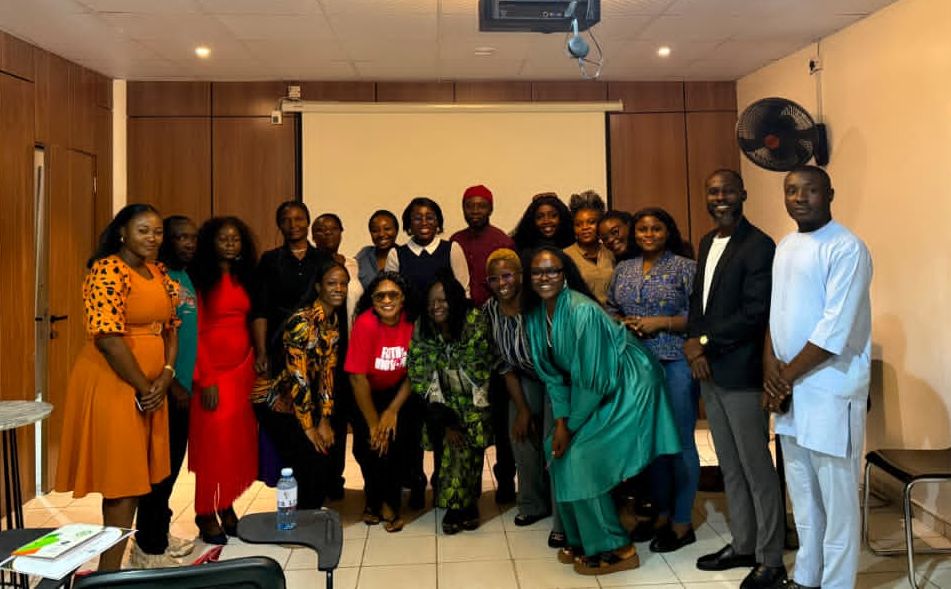
*The Association of Orphanages and Vulnerable Children in Nigeria, FCT Chapter, urges Non-Governmental Organisations to their strengthen internal systems, seek more local funding, and build partnerships to survive beyond their founders
Prosper Okoye
For sustainability, the Association of Orphanages and Vulnerable Children in Nigeria, FCT Chapter, has advised Nigerian Non-Governmental Organisations to strengthen internal systems, seek more local funding, and build partnerships to survive beyond their founders as foreign donor support dwindles.
AONN stated this at a capacity-building programme it organised, where participants were encouraged to rethink how their organisations are structured and funded.
DEON: Telecoms operators appeal against FCCPC’s regulatory powers on consumer lending regulations
Speaking at the event, Kiema Ogunlana, AONN FCT Chapter Coordinator, said strengthening the capacity of member organisations was central to the association’s mandate.
Ogunlana said participants examined their organisational structures to identify gaps, and were introduced to strategies for improving visibility, monitoring their activities and demonstrating impact.
She also said: “We taught them how to source for local funding as foreign donor funds are dwindling.”
The discussions also focused on building organisations that can function independently of their founders, a challenge experts said had contributed to the collapse of some Nigerian NGOs.
Dr. Robinson Mavis, senior adviser at Heal the Youth Foundation, said strong internal systems were essential if organisations were to survive changes in leadership.
She said several organisations in Nigeria were established around the passion and personality of their founders without sufficient attention to succession and institutional structures.
Mavis said: “We have repeated patterns here in Nigeria. We just create a business out of passion, and most times it dies after them.”
According to her, NGO leaders should see their work as building institutions that extend beyond themselves rather than structures dependent on their continued presence.
Mavis said: “If you come with the mindset that you are building a career, a profession that is beyond yourself, your approach would be different.”
Hauwa Abbas, Founder of Silver Lining Initiative, said some NGOs also had begun operations without adequate understanding of government laws and policies governing their activities, while failing to build networks through which they could learn from other organisations.
“We need to work together and collaborate to be more impactful,” Abbas said.
She urged organisations to regularly assess their strengths, weaknesses, opportunities and threats, and to explore pro bono professional services, volunteers and other forms of local support instead of focusing solely on cash donations.
Abbas stated: “People are willing to help locally if you are willing to ask.”
She said NGOs could tap into in-kind support even in a difficult economic environment.
She also urged greater professionalism in staffing and organisational management.
The AONN FCT Coordinator encouraged organisations working with orphans and vulnerable children to join coalition or other relevant coalitions, saying such networks could help them strengthen and expand their work.
Participants received certificates of attendance at the end of the programme.